domingo, 10 de febrero de 2019

viernes, 8 de febrero de 2019

jueves, 31 de enero de 2019
viernes, 21 de diciembre de 2018
lunes, 6 de agosto de 2018
Francisco LLinares - vegano y experto en bolsa
Ya se puede comprar el Manual de Instrucciones del Cuerpo Humano en Valencia. Está a la venta en la Librería Verde, situada en la calle Padilla 6 (a 200 mts detrás del ayuntamiento)
Los residentes en el resto de España podrán pedirlo a este correo: info@libreriaverde.es, o encargarlo llamando al teléfono (34) 963.520.655
El libro se vende a 26 euros.
Los pedidos para envíos a
España tendrán un suplemento de 7 euros en concepto de gastos de envío.
En el correo se pueden consultar los gastos de envío para el resto de
países.

Para abreviar las comparaciones, utilizaremos las letras MN para definir la medicina natural y las letras MA para definir la medicina artificial, que se salta a la comba las leyes naturales provocando con ello graves consecuencias.
MN: Es una medicina sencilla y con un coste muy pequeño para la sociedad, que utiliza productos al alcance de todas las capas sociales. Muchos de estos productos se encuentran en la naturaleza de una manera gratuita (leyendo el Evangelio de los Esenios se puede ver cómo Jesús curaba a todos los enfermos y solamente usaba productos de coste cero).
MA: Es una medicina cuya complejidad intencionada permite que las cifras astronómicas que tiene que pagar la sociedad por los tratamientos y medicamentos parezcan razonables, a pesar de no tener ningún fundamento.
————
MN: Se basa en una tradición histórica milenaria obtenida a partir de resultados positivos, en muchos casos de la vida real, y remedios populares que se han trasmitido verbalmente durante muchas generaciones.
MA: Se basa en la investigación sobre nuevos productos patentables para los que haya una demanda o se pueda crear artificialmente. Cualquier producto no patentable es desestimado para cualquier investigación.
————
MN: Trata de educar al individuo para que mantenga su salud y armonía, al mismo tiempo que previene la enfermedad, le enseña a comer, a respirar, a adoptar la actitud mental adecuada, etc., consiguiendo de esta forma la independencia y autosuficiencia del ser humano.
MA: Usa un lenguaje ininteligible para el ciudadano medio como reafirmación de su autoridad elitista, dejando claro que el paciente nunca podrá decidir sobre su vida y será siempre dependiente de los iniciados a la profesión.
————
MN: El enfermo es el protagonista de su salud. Toma las decisiones sobre su vida, y conoce el alcance y las implicaciones de los tratamientos.
MA: El enfermo es el cliente. Su presunta ignorancia le impide tomar cualquier decisión; y se le aplica, y a veces se le obliga a someterse, al tratamiento más caro, aunque sea el que más efectos secundarios le produzca.
————
MN: Intenta que el enfermo alcance el máximo bienestar, teniendo como única meta la salud integral del individuo.
MA: Se preocupa de eliminar o enmascarar los síntomas, dejando intacta la causa que los provoca.
————
MN: Usa como prevención la dieta adecuada, el contacto con la naturaleza, el desarrollo de la paz interior y el equilibrio en las emociones.
MA: Como prevención, usa vacunas con efectos peligrosos, y chequeos periódicos con riesgo de diagnósticos erróneos.
————
MN: Restablece la salud y la dignidad en la mayoría de los casos.
MA: Todas las enfermedades que no puedan remitir espontáneamente las considera enfermedades crónicas o incurables, sentenciando al enfermo a una vida de sufrimiento y dependencia de fármacos.
————
MN: Considera el dolor y la enfermedad como fuentes de información para averiguar dónde se ha perdido la armonía y cómo ha acometido el cuerpo su reparación.
MA: Considera el dolor y la enfermedad como enemigos a batir a cualquier precio, sin tener precaución con los daños colaterales.
————
MN: Usa tratamientos no agresivos, acatando especialmente la frase de Hipócrates que dice: “Lo primero no dañar”.
MA: Interviene principalmente por medio de la cirugía y fármacos, produciendo un buen número de efectos iatrogénicos.
————
MN: Trata de devolver la unión y el equilibro entre los planos físico, mental y emocional, tratando al individuo como un conjunto integrado.
MA: Se especializa en partes muy concretas del cuerpo, desestimando la interrelación de esa parte con todas las demás.
————
MN: Reconoce la fuerza natural que tiende a conservar y curar a todos los seres vivos cuando nadie se lo impide (sólo cura la naturaleza).
MA: Considera las leyes naturales como algo anticuado y obsoleto, y se dedica a imponer sus limitados conocimientos contrariando e impidiendo las reacciones curativas naturales del cuerpo humano.
————
MN: Es una ciencia milenaria basada en resultados comprobados y cuantificables.
MA: Es una nueva religión basada en la fe de los pacientes. Esta afirmación se basa en la siguiente comparativa entre medicina y religión:
– Tanto la religión como la medicina moderna se basan en dogmas de fe que no hay que demostrar: hay que tener fe en que el VIH existe, aunque nadie lo haya aislado. Hay que creer que la quimioterapia cura el cáncer, aunque la terca realidad demuestre lo contrario. Hay que acatar lo que dicen los libros de medicina, aunque los hechos los desmientan. Y una larga lista de etcétera.
– Las dos instituciones celebran ceremonias y rituales sin mediar motivo que los haga necesarios: vacunas, chequeos, mamografías, analíticas, revisiones ginecológicas, etc.
– Los ministros de ambas religiones usan una ropa que los distingue del público cuando están oficiando. También procuran usar un lenguaje ininteligible para que los no iniciados queden al margen (durante muchos años estuvo prohibida la traducción de la Biblia a las lenguas vulgares para que sólo el círculo cercano de iniciados tuviera acceso y, sobre todo, para que el vulgo tuviera que creer lo que le decían sin poder comprobarlo).
– Las dos censuran e impiden la libertad de expresión en las épocas en las que se les permite. El poder que ha perdido la Iglesia en esa parcela lo ha recogido y lo detenta ampliamente la medicina dirigida por la industria.
– Los creyentes de una peregrinan a Tierra Santa o a Lourdes; los de la otra van sumisos a inmolar sus ahorros a Houston. El porcentaje de curaciones es similar, el coste no.Afortunadamente yo no vivo de la salud de los demás, gracias a ello no me veo obligado a tener que recomendar productos para la salud caros e inútiles.
– Ambas se nutren de seguidores, debido al miedo a morir de sus prosélitos. Y aunque una de ellas ofrece una vida más larga, no puede competir con la otra que promete una vida eterna.
Me gano la vida operando con materias primas, divisas, tipos de interés, etc.
En este otro libro hablo de esos temas.
El precio del libro Análisis Técnico Profesional es de 39 euros. Si se piden los dos juntos, los gastos de correo son los mismos que si se manda un libro solamente.

Aquí se puede leer el índice y la introducción Read more!
sábado, 28 de julio de 2018
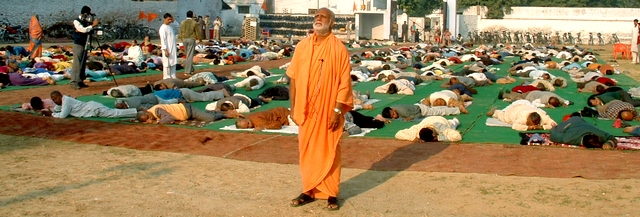
Swami Ji’s - Shabad Surat Sangam Ashram
Swami Ji’s life style is really an
amazing one.
Generally he stays in seclusion but for the last Sunday of
every month when he gives a little brake to his hectic schedule for few
hours and entertains the visitors and seekers.
All other days he spends
almost whole of the day under Sun practicing SSKY and rest of the time
he stays locked in his room practicing and experimenting unending
techniques of Yoga (not in general terms of mere asana and pranayama as
most of the people would interpret even in east nowadays) and developing
new ones suitable to the need of common man. Every time he discovers
something new he would tell to the first practitioner he meets and then
to all in due course. The secret most techniques like Khechari, Dhar
Nauli, Amroli, Shambhavi, Kriya Kundalini, Naadanusandhan with Seven
Octave Singing and many more are well known to most of his disciples and
they are practicing them too. Few so-called educated people object on
this sometimes telling that why doesn’t he keeps such a precious
knowledge with himself as the very importance of such wonderful
practices diminishes only to hear him burst in laughter. He says, “I am
but a public servant employed by the highest government and my duty is
to improvise and alter the fitment to suit the needy so that they may
also make use as much as they could. How could I possibly refrain myself
when I already see the ignorance and confusion amongst people just
because this knowledge had been left confined to chosen few in old days?
After all one has to try millions before getting the precious stone but
trial is important even then.”

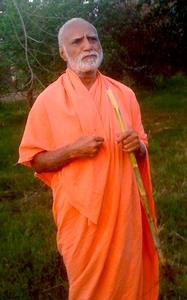 There
had been significant changes in Swami Ji’s eating habits. As he
progressed on the path his diet reduced gradually. Initially he used to
take 2 meals a day then he came to just one meal a day, later he stopped
solid diet and shifted to milk and lassi (buttermilk). While in
practice, sometimes he discards milk and stays on plain water for long
time and sometimes he abandons even the water for as long as he pleases.
Though, while on tour he used to eat a little when forced by some very
loving devotee but even then his body neither required nor enjoyed food
anymore. It rather made him uneasy but for sake of innocent followers
who were not much aware of the Yogic practices he accepted food
offerings too once in a while.
There
had been significant changes in Swami Ji’s eating habits. As he
progressed on the path his diet reduced gradually. Initially he used to
take 2 meals a day then he came to just one meal a day, later he stopped
solid diet and shifted to milk and lassi (buttermilk). While in
practice, sometimes he discards milk and stays on plain water for long
time and sometimes he abandons even the water for as long as he pleases.
Though, while on tour he used to eat a little when forced by some very
loving devotee but even then his body neither required nor enjoyed food
anymore. It rather made him uneasy but for sake of innocent followers
who were not much aware of the Yogic practices he accepted food
offerings too once in a while.A time came when he fully stopped eating.
Now he has stopped eating completely, he doesn’t take even fruits or milk et al. He does take water at times and even enjoys chewing tulsi or neem leaves sometimes. But surprisingly when somebody asks for leaving food or changing to liquid diet in general he doesn’t allow unless that person is a sincere practitioner and decides to enter the cell but even then the diest is controlled only for as long as he stays in there. He says, “Leaving food is not the objective but a mean to accelerate the practice and in fact it is going to happen one day or the other at an advanced stage when body would find and relate to the inner source of energy. So one should patiently and sincerely practice and wait for the inner call. Food isn’t our enemy but the craving for that is so we need to renounce this craving not the food itself which in fact is quite important for a beginner.” Quoting from various saints and scriptures as well as from his personal experience he condemns the fasting or starving but supports the balanced diet. “Not just diet but each and every action and behavior need to be in complete harmony with the divine rule so that it saves us from any turmoil whatsoever and keeps us on path.” He says.
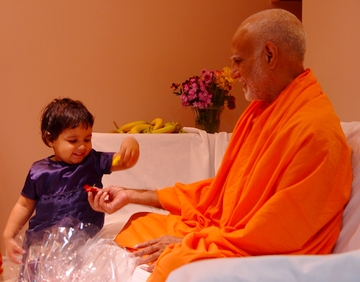 Swami
Ji is a man of both extremes. He enjoys traveling in general class
equally as in a saloon especially hired by some devotee for His comfort.
He tests hunger as well as over eating at times. Let the matter be most
serious he would find humor in that and even in a cheap news paper joke
he will figure out such a high teaching that even the author will not
have dreamt of. Let that be play with kids or talks with any aristocrat
he is always at his naturally best. He enjoys people noting and pointing
such contradictions to which he responds, “Yoga is the art to go beyond
any contradiction even that of birth and death.”
Swami
Ji is a man of both extremes. He enjoys traveling in general class
equally as in a saloon especially hired by some devotee for His comfort.
He tests hunger as well as over eating at times. Let the matter be most
serious he would find humor in that and even in a cheap news paper joke
he will figure out such a high teaching that even the author will not
have dreamt of. Let that be play with kids or talks with any aristocrat
he is always at his naturally best. He enjoys people noting and pointing
such contradictions to which he responds, “Yoga is the art to go beyond
any contradiction even that of birth and death.”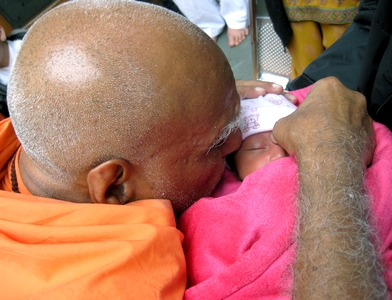 Moreover,
a clear discrimination is important as to what the needy deserve
because without this discrimination any help would go in vain. The only
possibility is to make people realize and understand that they have to
help themselves and the best medium for this he considered was
literature. As he found in Vedas and other many scriptures that every
minute detail of life is mentioned in them but none can grasp them at
once, everyone get and receive as per their eligibility, a perfect
discrimination. But in changing world people unaware and unworthy of
Vedic knowledge are translating those scriptures imposing their own
notions and conception over them with no ground reality or practicality
to rather misguide the common man. Thus he decided to put his own
experiences and experiments down on paper in a simple and practical
language and also provide practical guidance to aspirants.
Moreover,
a clear discrimination is important as to what the needy deserve
because without this discrimination any help would go in vain. The only
possibility is to make people realize and understand that they have to
help themselves and the best medium for this he considered was
literature. As he found in Vedas and other many scriptures that every
minute detail of life is mentioned in them but none can grasp them at
once, everyone get and receive as per their eligibility, a perfect
discrimination. But in changing world people unaware and unworthy of
Vedic knowledge are translating those scriptures imposing their own
notions and conception over them with no ground reality or practicality
to rather misguide the common man. Thus he decided to put his own
experiences and experiments down on paper in a simple and practical
language and also provide practical guidance to aspirants.Tripur Shiva Peetham – Meditation Temple